
A letter to a tūpuna
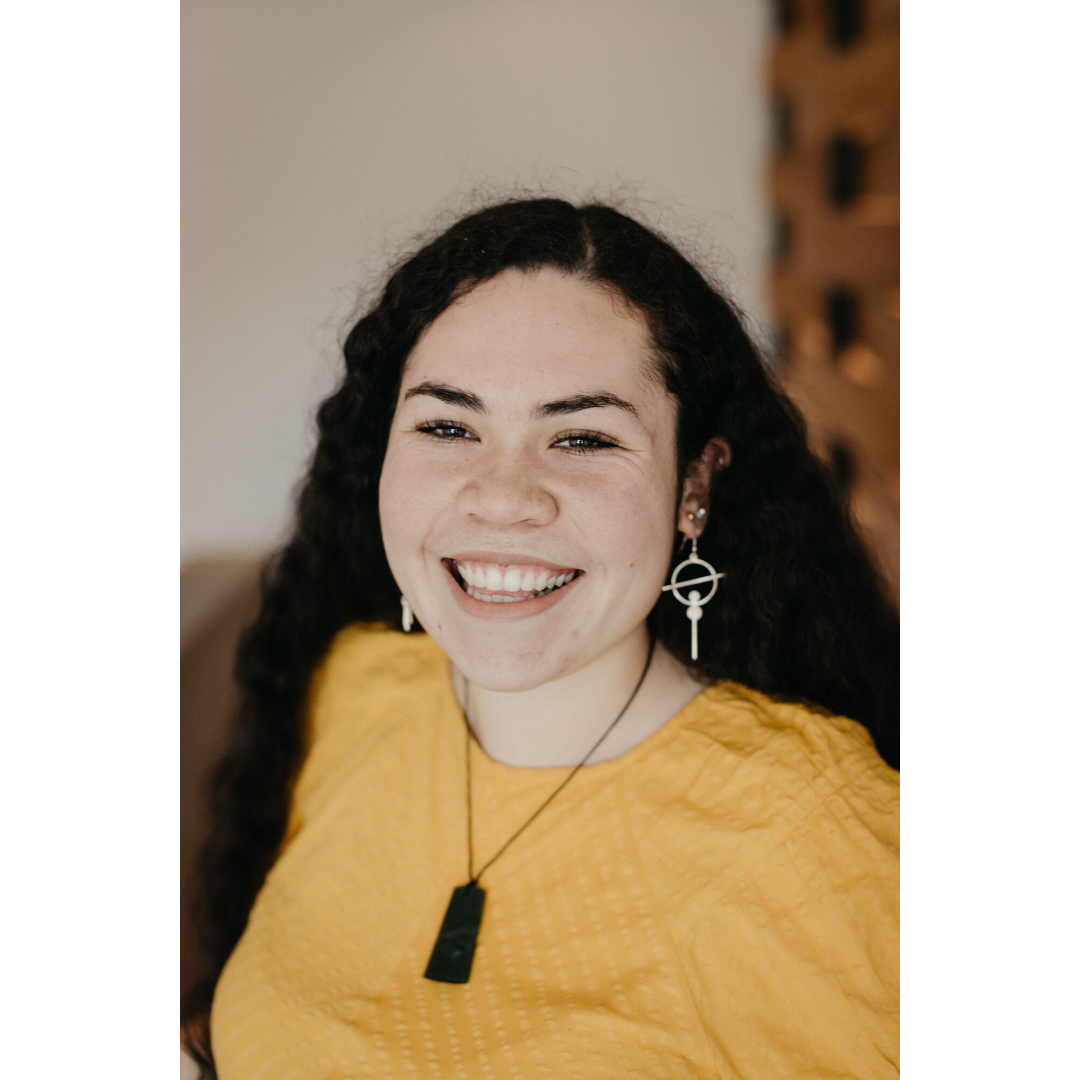
Johannah Kātene-Burge is one of our Te Hunga Panuku. She is a Wakatū scholarship recipient and was the 2019 Wakatū intern.
Wakatū CEO Kerensa Johnston asked Johannah to write a letter as if she were writing from 500 years in the future. Writing the letter also inspired Johanna to compose a new waiata - Hoea hoea ki te tahatūi, which features in the letter.
You can read more about Johannah here.
Whakatū College assignment: A letter to a tūpuna from 500 years ago
Due: 28 February 2520
Kia ora Nanny,
This chance to write a letter to my tūpuna is the perfect opportunity to imagine your world, tell you about my world, and to think about the similarities and differences between them.
In our history lessons, I’ve been shocked to learn that in early days of colonisation, kids were punished for speaking te reo Māori by a law – the Native Schools Act? Please tell me this isn’t true. Everyone speaks te reo Māori these days. I guess the grooves have changed since your time 500 years ago. We’re basically one people here in Whakatū, in all of Aotearoa really; Māori and Pākehā.
My name is Kahu and I’m almost 18 years old. I live with mum and papa, Koro Tipo and my cousin Whetumarama in one of the new subdivisions in Motueka. My papa has been involved with Wakatū for as long as I can remember, just like you were. We’re proud of him – he’s just cracked the position of board chair, so ka pai ia.
Dad never misses the chance to let everyone know that his tūpuna was a part of the momentous movement of Te Pae Tawhiti.
Hoea hoea ki te tahatūi
Kia kotahi ai te hāpai ō te hoe
Hoea hoea ki te pae tawhiti
Hei oranga tonutanga mō ngā uri
Te tuakiri me te pono
Te hihiritanga ko ngā pou
O tō mātou nei waka, ko Te Tauihu e hoea rā
Hō!
Dad sings me this waiata every night, just like his mama used to sing to him, and her mama too. It’s been a tradition for 17 generations. I know you wrote this waiata, but I bet you didn’t think I would be singing it today. We remember it, alright. We all do.
The five intergenerational outcomes from Te Pae Tawhiti are still our guide – just as they were for you. Let me show you.
Papa Whenua
Let’s pick up where you left off, Te Rautaki Haumanu Haungahuru. It’s still a milestone for us today, making the Tenths’ whole and welcoming the associated families back into the Wakatū whānau. This act of tinorangatiratanga started a movement. It encouraged iwi nationwide to reclaim themselves and their lost whenua.
We did get ahead of ourselves, once. Papa tells the story of his great-grandfather’s time, when Wakatū was in a great financial position – one of its best. At the AGM, the CFO informed the shareholders of that year’s tremendous dividends. They saw that all was good. But great-granddad asked, ‘So why are we doing all this?’ Apart from the ‘bigger is better’ waffle, no one really had a clue. We had everything but we’d risked everything, too.
Wakatū had expanded productions, sales, the whole kit and kete, but about 400 years after creating Te Pae Tawhiti, balance between the five outcomes was lost. After this bumper time, the land became barren. Vineyards lay dry and bare, and apples never turned rosy red. Dad says it was the wake-up call we needed. In the battle between the frail elements of nature and climate change, we’ve had to learn to plan ahead and get things in balance, like our tūpuna did.
On a brighter note, Whakatū city has been redeveloped to cater for the influx of young families now residing here. Wakatū has continued to purchase land and has partnered with the Ministry of Housing and Urban Development. Subdivisions are leased by Wakatū and, more often than not, the ministry assists in building the homes. Some handsome kaumātua flats we built with iwi shows how a relationship like this has benefitted our whānau whānui.
Over time, Wakatū has worked alongside local government to rename the many reserves and places in the region that were once named after European explorers and colonists. Te Maatu and other landmarks have been restored to their original titles and given their mana, instead of being named after the likes of Thorp and Abel Tasman, whoever they were.
Taiao
Alright Nan, I’m just going to come clean. Remember climate change? Well, it happened.
What you knew as D’Urville Island, Endeavour Spit, French Pass – they’ve been gone for over 150 years due to sea levels rising. Because of climate change and the hard lessons we learnt from overproduction on the land, the Incorporation became value-based as opposed to volume-based.
Climate change was a reality that Wakatū couldn’t avoid, but we were realistic and planned ahead. Our aquafarms have been repurposed under the direction of Auora to produce plant-based natural resources for the health industry. You’ll know this one: Ka mate kainga tahi, ka ora kainga rua.
One awesome result of our movement to mitigate the effects of the earth’s depletion has been the revitalisation of all rivers in our rohe. This includes the Awamate, now known as Te Awawhakarauora. The beautiful river, long considered dead and lost, has been restored and acknowledged as a significant awa for our people. Many believe it was once the main entry for waka into Motueka for our ancient tūpuna.
If there’s one thing I learnt about you, Nan, it’s that you didn’t like to muck around. Karakia at the crack of dawn and straight into the orchard. Well, that might’ve rubbed off because preparation, harvest and storage times are now conducted according to the maramataka, and are planned five years in advance. The business aligns itself with the tides, the cycle of the moon and Tamanuiterā, the sun. All this to channel optimal, business-wide performance.
We’ve been through heaps of ‘zeros’: zero plastic, zero carbon emissions and most importantly, zero waste. All resources can be repurposed. A leftover crop at the end of the season? Locals fill up their utes and disperse it. Mussel shells are traced along the public maara kai we established and are maintained by the hāpori for open use. Whatever we don’t use or resell or give away locally is valuable to the green-thumb community.
Ngākau Hihiko
Something consistent over the last 500 years is how Wakatū champions what is right. When the reality of Earth’s vulnerability became undeniable, Wakatū played its role in revitalisation, testing models in Whakatū before sharing successful models among iwi and other leaders around Aotearoa.
Strength for all of us, owner-employees and employees alike, is centred within te reo Māori. It is the dominant language in the workplace. It helps us to embody this culture and maintain perspective of the right behaviour each day. We are courageous and connected and te reo Māori reinforces our identity and connection.
Pūtea
Through its peaks, its pitfalls, and after another global financial crisis that occurred at the end of last century, Wakatū is now in a strong financial position. As the business refocuses its capability to project, plan, and to maintain a balance, the profits from Wakatū contribute to the community who reside in Whakatū today.
It probably sounds like a broken record by now, but what matters to Wakatū is education and our whānau being connected. The Whakatū Trades Academy is sponsored by Wakatū, and the free whānau health units that operate in partnership with iwi include dentistry, and physical and mental wellbeing rongoā.
Profits from these initiatives are reinvested back into the community. Wakatū knows that a happy, healthy environment is good for everyone, and increases the talent pool of smart people who want to continue the journey with us. Wakatū also recognises that whānau need employment, and these initiatives, along with our other businesses, mean there are heaps of different opportunities – scientists, tikanga experts, food producers, health workers and so on.
Whānau
How many hundreds of thousands of shareholders must we have after 500 years, Nan? Well, after regaining our lands and reconnecting our whānau, we hit the ground running to ensure that the shares didn’t get diluted by taking each family through the whānau trust process. Yes, it did take time, but it has significantly reduced the number of shareholders and kept shares together.
There are some things that will never change: our history, whakapapa and the legacy of taonga tuku iho. It’s crazy to imagine that, many generations ago, our tūpuna would have sat at this very awa where I’m sitting now.
Although we can’t rewrite history, we are the authors of our future, and Te Hunga Panuku, our network of graduates, lead the way. Every five years, Te Hunga Panuku collaborate to give feedback on the strategic direction of the business, to ensure that it resonates with whānau aspirations. This is one way to ensure we never get out of balance again, and the vision of Te Pae Tawhiti and the intergenerational outcomes stay relevant.
Ultimately, whānau wellbeing is the greatest motivation at Wakatū Incorporation. We house, educate and employ our family. These days, over half of Wakatū employees are actually Owners. There is no real division between owner-employees and employees, though. Here, we all have an identity and a shared responsibility.
Five hundred years ago, you would’ve thought we’d be exporting to Mars by now! The world has seen the face of destruction, most often at our own hands. War, poverty, and artificial intelligence – they nearly dominated the human race, those robots! Really gave us a run for our money, but we survived and thrived. And well, here we are back home; a people of the whenua and moana, the land and sea. Kind of like, back to the future.